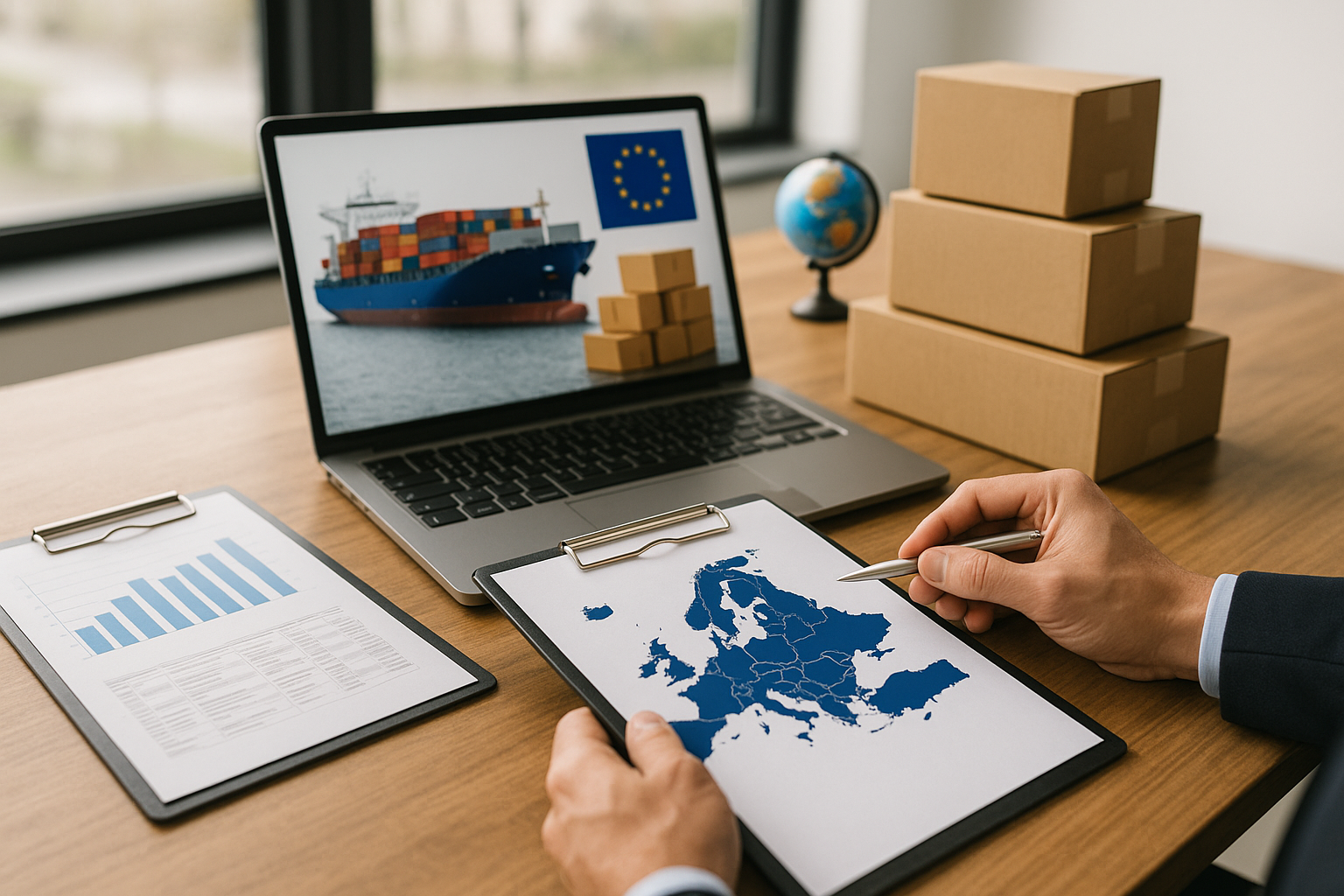
Logistics might not be the first thing that comes to mind when planning your expansion into the European Union. Yet for non-EU businesses, understanding and complying with EU logistics regulations is not only a strategic advantage—it is a legal necessity. The European market is attractive for its size, stability, and diversity, but it is also layered with rules that govern how goods are stored, moved, and tracked. For decision-makers looking to establish a reliable and scalable EU presence, logistics compliance is a cornerstone of success.
Why Logistics Compliance Matters in the EU
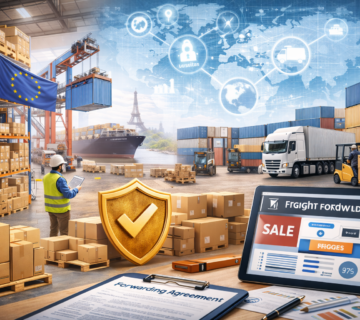
Operating within the EU means entering a single market with unified standards, but that unity also comes with complex logistical demands. Every shipment, storage facility, and transport channel must meet EU customs, safety, and sustainability requirements. Failure to comply can lead to delays, fines, or even a ban on your products. Compliance is therefore not just a matter of regulation—it’s a matter of trust. Retailers and consumers alike expect transparent, traceable logistics.
Understanding the Key Compliance Areas
Logistics compliance in the EU touches on several regulatory domains. Customs procedures under the Union Customs Code (UCC) are only the beginning. Transport safety, environmental regulations (such as CO2 reporting under the EU Emissions Trading System), and digital traceability under the Digital Product Passport framework are equally critical. Warehousing operations must comply with local health and safety laws, while product labeling and packaging must adhere to EU harmonized standards.
Practical Steps to Ensure Logistics Compliance
Start by partnering with an experienced logistics provider who understands EU-specific rules. Invest in IT systems that enable real-time tracking and compliance reporting. Ensure your customs documentation is accurate and digital-ready, especially if you’re using a bonded warehouse or third-party logistics center in the EU. Finally, set up internal audits to monitor your supply chain compliance on an ongoing basis—don’t wait for an authority to knock on your door.
Common Pitfalls and How to Avoid Them
A frequent mistake is assuming that practices from other global markets automatically translate to the EU. They rarely do. Another is underestimating the administrative overhead involved in customs clearance or the time required to implement traceability standards. Some businesses also forget to monitor subcontractors, leading to blind spots in environmental compliance or labor practices. The solution is to treat compliance as a core business process, not an afterthought.
Conclusion: Logistics as a Strategic Enabler
EU logistics compliance is more than just a checklist—it’s a way to build operational resilience and market credibility. For non-EU businesses, meeting these standards unlocks the full potential of the European single market. By proactively aligning your logistics strategy with EU expectations, you’re not only reducing risk—you’re also signaling reliability to partners and customers. That’s the kind of reputation that opens doors across borders.