Expanding into the European Union as a non-EU company brings vast opportunities—alongside a set of intricate responsibilities. When it comes to logistics, few elements are as vital—and as underestimated—as freight insurance. Whether you’re shipping high-tech components or bulk materials, insuring your goods throughout their journey into the EU is more than just a safety net. It’s a strategic lever for business continuity, compliance, and customer trust.
Why Logistics is the Backbone of EU Market Entry
Successfully entering the EU market depends heavily on mastering logistics. From selecting compliant carriers to navigating border protocols, the movement of goods must be timely, secure, and well-documented. Logistics is not just about transport—it’s about managing risk. This is where freight insurance becomes indispensable, especially for businesses unfamiliar with EU regulatory and contractual standards.
Freight Insurance: More Than a Formality
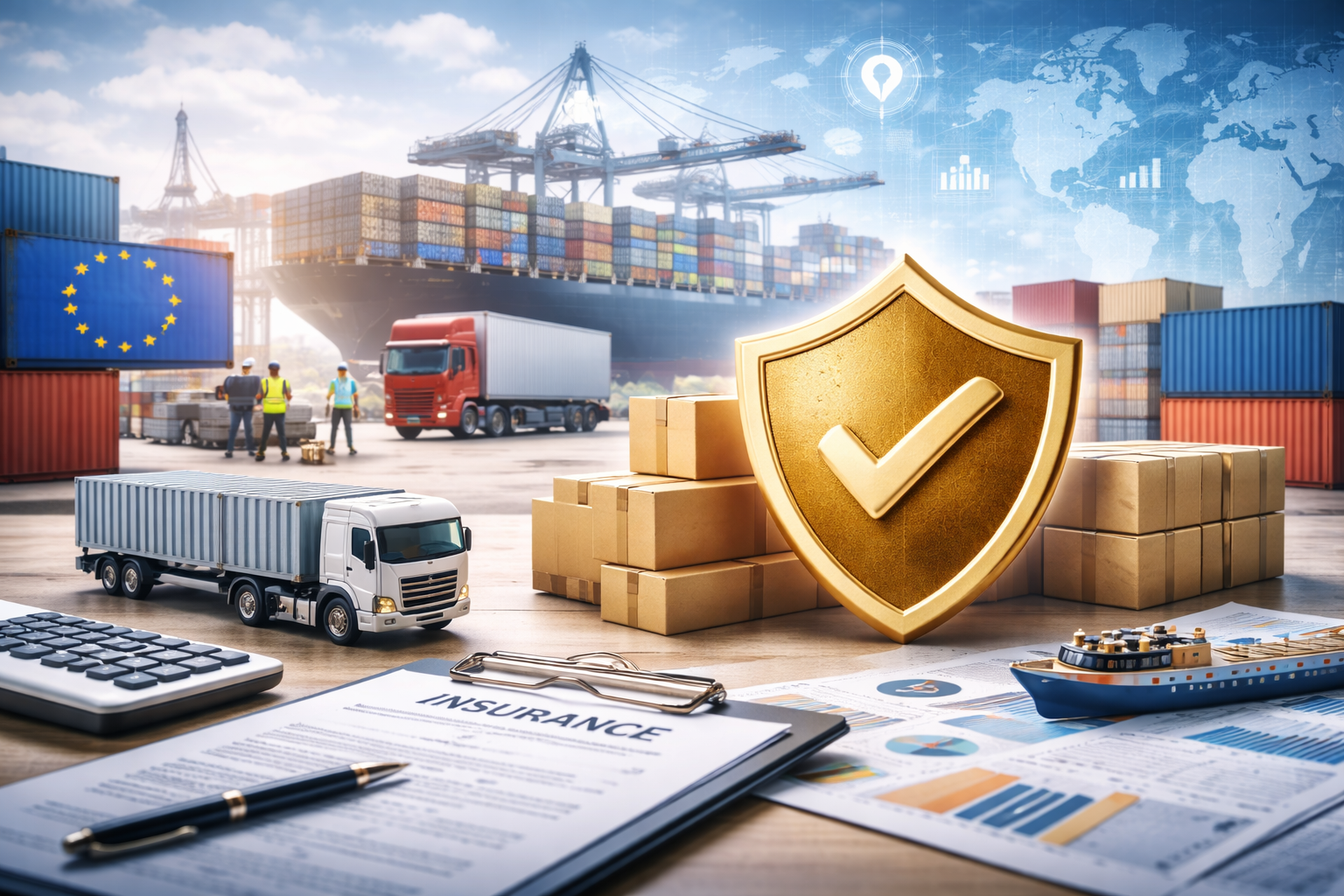
Freight insurance covers loss or damage to goods while in transit. However, coverage types vary widely. Standard carrier liability in Europe, governed by conventions like CMR (for road transport) or the Hague-Visby Rules (for sea freight), is often limited—sometimes to just a few euros per kilogram. This leaves a significant gap for high-value shipments unless additional coverage is arranged.
There are generally three levels of freight insurance: basic carrier liability (default, limited), declared value coverage (higher limit based on stated value), and all-risk insurance (comprehensive, covering nearly all transport-related losses barring specific exclusions). All-risk policies, while more expensive, are usually the best fit for non-EU companies transporting sensitive or valuable goods into the Union.
Practical Considerations for Non-EU Companies
When arranging freight insurance, make sure to clarify who bears the risk at each stage of transit. Incoterms (like DDP, DAP, or FOB) define these responsibilities and influence who should secure the insurance. For example, under DDP (Delivered Duty Paid), the seller is liable until final delivery in the EU and should ensure full insurance coverage accordingly.
Work with logistics partners who understand EU regulations and can provide tailored advice on freight insurance policies. Don’t hesitate to seek legal review of insurance clauses in your shipping agreements, particularly in sectors with high value or regulatory exposure.
Common Pitfalls to Avoid
A frequent mistake is assuming carrier liability is enough—it’s not. Another misstep is failing to align Incoterms with actual insurance coverage, resulting in costly disputes when goods are damaged or delayed. Lastly, neglecting to update policies when changing routes, carriers, or goods can invalidate claims.
Looking Ahead: Risk Management as a Growth Enabler
Freight insurance might seem like a detail in your logistics chain, but it’s a cornerstone of operational resilience. As your business grows within the EU, investing in tailored freight insurance isn’t just about protection—it’s about enabling confidence, efficiency, and long-term success.