Why Logistics Innovation Matters in EU Market Entry
For companies based outside the European Union, successfully expanding into the EU market means more than just offering a competitive product or service. It requires mastering the complex web of logistics that moves goods across internal borders, complies with regulations, and meets the high expectations of European customers. In this landscape, real-time tracking is no longer a luxury—it’s a strategic necessity.
The Growing Demand for Real-Time Visibility
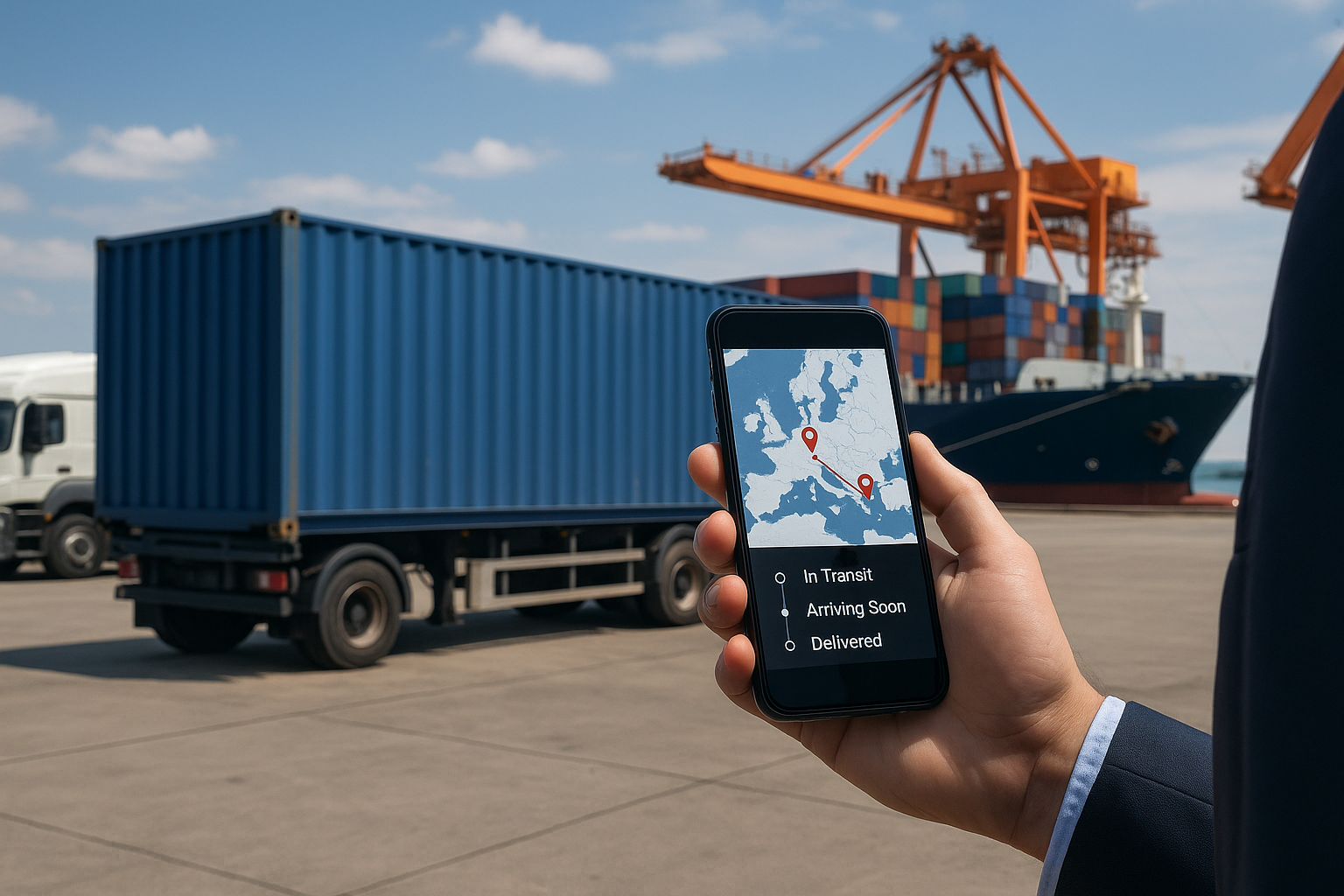
Logistical transparency has become a critical component of supply chain success. European clients increasingly demand precise delivery windows, accountability, and transparency. Real-time tracking—through IoT devices, GPS-enabled transport, and cloud-based dashboards—empowers businesses to meet these expectations while reducing risks associated with delays, theft, or miscommunication.
How Real-Time Tracking Works in the EU Context
The European Union’s regulatory environment supports the use of digital logistics tools. Real-time tracking systems integrate with customs management platforms, third-party logistics (3PL) providers, and local carriers to give a complete picture of goods in transit. Whether you’re shipping via sea, road, or rail, GPS and RFID-enabled systems allow for live updates, predictive analytics, and event-driven alerts.
Choosing the Right Tracking Tools for EU Logistics
Not all tracking systems are equally suited for the European market. When evaluating your options, consider tools that support geofencing within the Schengen Area, integrate with EU customs platforms like ICS2 (Import Control System 2), and comply with GDPR regulations. Platforms such as Project44, FourKites, or Transporeon have been widely adopted by EU-facing supply chains and offer flexible APIs to connect with your internal systems.
Strategic Advantages for Non-EU Businesses
Real-time tracking offers more than just peace of mind. For companies entering the EU market, it can significantly improve on-time delivery rates, reduce demurrage fees at ports, and offer actionable insights for route optimization. Furthermore, it strengthens relationships with customs brokers and logistics partners by improving predictability and reducing friction. This is especially valuable for businesses operating under tight service-level agreements.
Common Pitfalls and How to Avoid Them
A common mistake is underestimating the integration time needed to connect real-time tracking with customs platforms. Another is neglecting local data protection requirements—especially GDPR—when implementing third-party tracking services. Always ensure that any tool you deploy adheres to EU data regulations and offers multilingual support for partners across Member States.
Final Thoughts: Make Logistics Your Competitive Edge
In the competitive environment of EU trade, logistics is not just an operational concern—it’s a customer experience factor and a regulatory obligation. By embracing real-time tracking, non-EU businesses can turn logistics into a strategic asset. It’s an investment that builds trust, ensures compliance, and positions your company for long-term success in the European market.