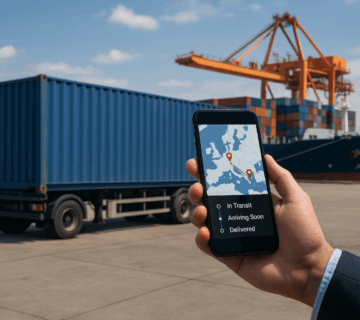
Expanding into the European Union is an exciting opportunity for non-EU companies, offering access to a market of over 400 million consumers and a unified regulatory framework. However, this opportunity comes with serious responsibilities, especially when it comes to compliance. One of the most critical areas is tax compliance. Understanding and adhering to EU tax regulations is not only necessary to avoid penalties, but also a key part of building trust with customers and authorities alike.
Understanding EU Tax Compliance Obligations
Unlike a single country, the EU is a union of 27 member states, each with its own tax administration and enforcement practices. Yet, many tax rules are harmonised or influenced by EU directives. Value Added Tax (VAT), for instance, is governed by the EU VAT Directive, though national implementation still varies. If your company sells goods or digital services in the EU, you may need to register for VAT in one or more member states.
The VAT Challenge for Non-EU Businesses
VAT is often the first hurdle for companies entering the EU market. Non-EU companies selling to EU consumers are typically required to register for VAT in the country of consumption. For digital services, the One-Stop-Shop (OSS) scheme simplifies compliance by allowing companies to report VAT obligations across all EU countries through a single portal. However, for physical goods, things can be more complex — especially when goods are imported into the EU customs territory.
Import VAT, Customs and the IOSS Solution
Importing goods into the EU requires understanding both customs and VAT obligations. Import VAT is due when goods enter the EU, and customs declarations must be made correctly. For low-value goods (under €150), the Import One-Stop-Shop (IOSS) can simplify things: it allows non-EU businesses to collect and remit VAT at the point of sale, avoiding the need for buyers to pay import VAT on delivery.
Getting It Right: Registration, Invoicing and Filing
The foundation of tax compliance in the EU is proper registration — whether through OSS, IOSS, or local tax authorities. But it doesn’t end there. You must ensure that invoices meet local requirements, often including specific formats and mandatory VAT identification numbers. Timely and accurate VAT returns are essential, and many countries require monthly or quarterly filings. Late or incorrect filings can trigger audits or financial penalties.
Strategic Tips for Staying Compliant
Successful companies treat tax compliance not as a bureaucratic burden, but as a strategic function. Appoint a local fiscal representative where required — especially in countries like France or Italy. Invest in robust accounting software that integrates VAT rules across jurisdictions. Most importantly, maintain detailed transaction records and regularly review your supply chain and invoicing flows to ensure consistency.
Common Pitfalls and How to Avoid Them
One common mistake is underestimating the complexity of VAT in the EU. Assuming that one registration covers all activity is another. Misclassifying goods or services, failing to adapt to rule changes, and late filings are frequent issues. To avoid these, work with experienced advisors and never treat compliance as an afterthought.
Conclusion: Compliance as a Gateway to Growth
EU tax compliance may seem daunting, but with the right strategy and tools, it becomes manageable — even advantageous. By aligning your operations with EU tax expectations, your company can operate with confidence, minimise risk, and present itself as a trustworthy partner to customers and regulators across the Union.