
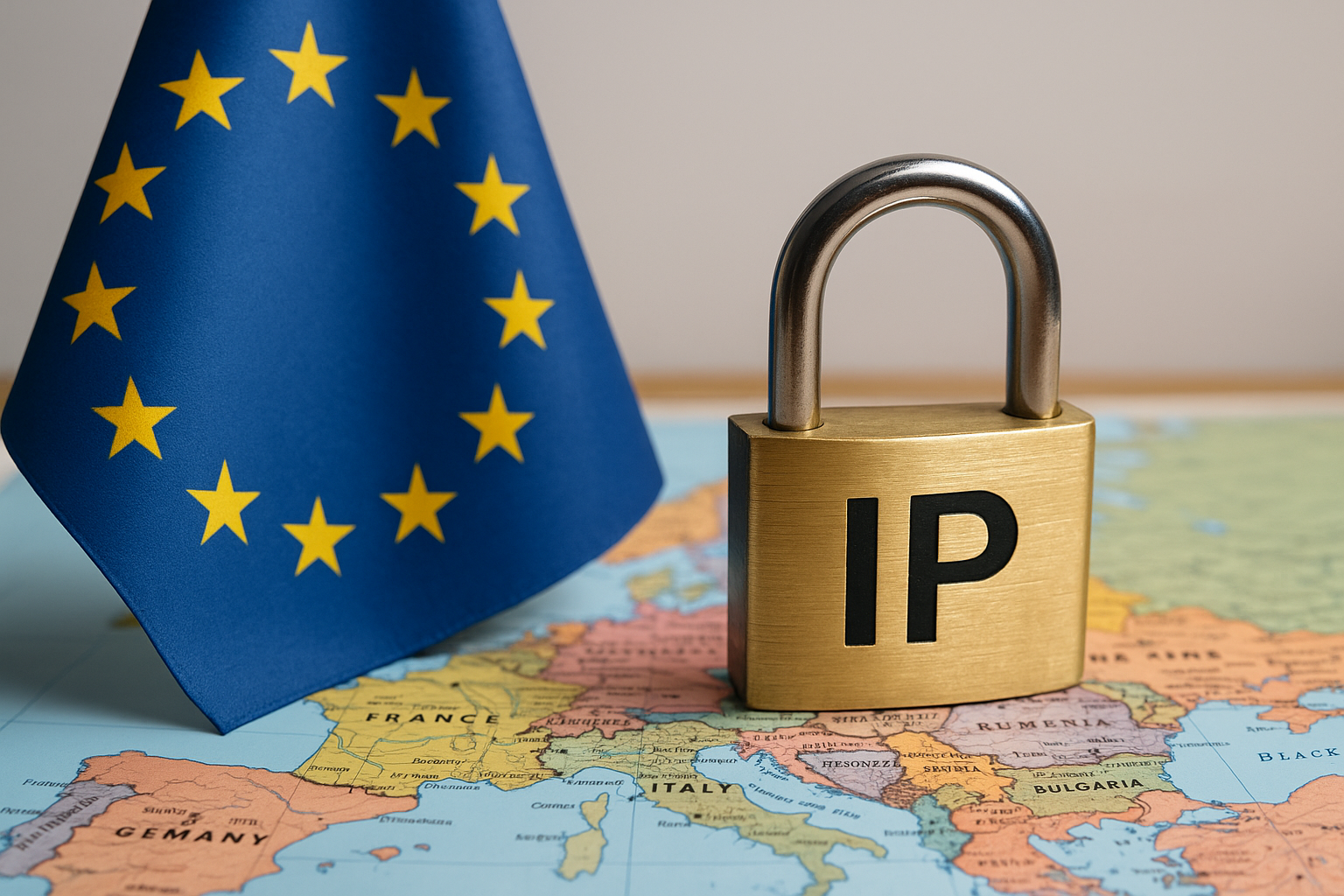
Understanding the Stakes
Expanding into the European Union offers a wealth of opportunity for non-EU companies. A diverse market, strong consumer protections, and a stable regulatory environment make the EU a promising destination. But alongside the promise comes the need for strategic protection—especially when it comes to intellectual property (IP). For businesses offering unique products, brands, or technologies, safeguarding IP is not just a legal formality—it’s a critical pillar of your European market strategy.
Intellectual Property as a Strategic Asset
Intellectual property in the EU isn’t just about patents or trademarks. It’s about market positioning, brand identity, and long-term competitiveness. Whether you’re entering the EU with an established brand or introducing innovative software, protecting your IP from the outset will help prevent costly disputes, unauthorized use, or market dilution. EU regulations offer strong protections—but only if you take the right steps.
Navigating the EU IP Framework
The EU has harmonized many aspects of IP law, making it easier to register and enforce rights across multiple member states. For trademarks and designs, the European Union Intellectual Property Office (EUIPO) in Alicante, Spain, offers a centralized registration system. This means a single application can grant protection in all 27 EU countries. Patents, on the other hand, are still handled via national routes or through the European Patent Office (EPO), which is not an EU institution but cooperates closely with it.
Taking Practical Steps to Protect Your IP
Start with an audit: identify what constitutes intellectual property in your business—from logos and product names to inventions, designs, and even trade secrets. Then, develop an EU-specific registration strategy. Consider whether a trademark or design should be registered EU-wide via the EUIPO, or nationally if you’re only targeting one or two countries. For patents, engage with the EPO early to understand timelines and costs.
Also, don’t underestimate enforcement. Registering is only the first step. Have a monitoring strategy in place—either internally or via legal partners—to detect potential infringements. The EU customs database (COPIS) can even help intercept counterfeit goods at the border.
Avoiding Common Pitfalls
Many non-EU companies mistakenly assume that their home country IP protections automatically apply in the EU. They don’t. Failing to register in time can leave your assets exposed. Similarly, translation errors or incorrect classifications during the application process can weaken your protection. Work with local experts when needed, and regularly review your portfolio as your EU footprint grows.
Building a Trusted, Protected Brand in the EU
The EU is an attractive and rewarding market, but only for companies prepared to play by its rules. Intellectual property protection is not a luxury—it’s a necessity for long-term success. By investing in the right registrations, staying proactive about enforcement, and understanding the unique structure of the EU IP landscape, your business can grow confidently, securely, and with full control over its most valuable assets.


