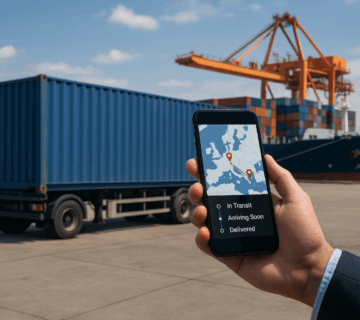
For businesses outside the European Union, expanding into the EU market can be both an opportunity and a complex logistical challenge. Customs regulations, tariffs, and supply chain efficiency all demand careful consideration. One critical element that can simplify and optimize this process is warehousing—specifically, the use of bonded warehouses. These specialized storage facilities offer non-EU companies a powerful tool to defer customs duties and streamline their EU operations. In this article, we explore how bonded warehouses work, why they matter, and how they can benefit your EU market strategy.
How Bonded Warehouses Work in the EU
Bonded warehouses are secure facilities where imported goods can be stored without immediately paying customs duties or VAT. Goods can remain in these warehouses for an extended period—sometimes years—until they are either re-exported or released for circulation in the EU market. This deferral allows companies to improve cash flow, reduce financial risk, and maintain operational flexibility. Bonded warehouses must be approved and supervised by national customs authorities, and they operate under strict regulatory controls to ensure compliance.
Strategic Benefits for Non-EU Companies
For non-EU businesses, the most immediate benefit of bonded warehousing is the postponement of import duties. If goods are re-exported to another non-EU country, no duties are paid at all. This is particularly advantageous for businesses using the EU as a regional distribution hub. Furthermore, bonded warehouses allow for goods to be stored closer to end customers within the EU, reducing delivery times and transportation costs. They also provide flexibility for quality control, packaging, or assembly before the goods enter free circulation, without triggering customs charges.
Navigating EU Customs and Compliance
To use a bonded warehouse in the EU, non-EU companies must collaborate with an authorized warehouse operator and comply with customs procedures as outlined by the Union Customs Code (UCC). Each member state may impose slightly different administrative procedures, but the core principles are harmonized. Companies must ensure that accurate inventory records are maintained, regular audits are passed, and all movements of goods are logged. Non-compliance can result in fines or the loss of bonded status, making it critical to work with experienced logistics providers.
Steps to Integrate Bonded Warehousing Into Your EU Strategy
To effectively incorporate bonded warehousing into your EU operations, start by assessing your supply chain needs and identifying goods that can benefit from duty deferral. Next, consult with EU-based logistics providers that operate bonded facilities and understand national customs requirements. Secure a reliable customs representative or import agent, and ensure that contracts clarify responsibilities for compliance. Finally, invest in inventory management systems that integrate with EU customs reporting frameworks to maintain transparency and accuracy.
Common Pitfalls to Avoid
One of the most frequent mistakes non-EU companies make is assuming that all EU member states treat bonded warehousing identically. In reality, local implementation can vary significantly, especially regarding documentation and customs interaction. Another misstep is neglecting to monitor storage deadlines—goods can only remain in bonded status for a limited time. Lastly, failing to partner with experienced warehousing and customs professionals can result in avoidable delays, penalties, or operational disruptions.
Unlocking EU Market Potential with Bonded Warehouses
Bonded warehouses are more than just a storage solution—they are a strategic asset for non-EU businesses seeking cost efficiency and flexibility in the European market. By deferring customs duties, simplifying logistics, and enhancing delivery performance, bonded warehousing can help companies build a resilient and responsive EU presence. As with any regulatory tool, success lies in understanding the rules and working with knowledgeable partners. If you’re expanding into the EU, bonded warehousing deserves a central place in your strategy.